
Introduction
Smart device have become among the top significant inventions in the twenty-first century. These devices make use of sensors, internet connectivity software, as well as artificial intelligence to complete tasks in a way that is automated and swiftly. From the workplace to homes Smart Device are changing the way we live and work as well as how we interact with technology. This detailed article explains the different types of Intelligent device and their various types as well as how they function with their applications, the benefits as well as challenges and technological developments.
What is a Smart Device
Smart devices are any device that is electronic and can be connected with the internet as well as other Digital device in order to send or receive information. Contrary to conventional devices, smart ones can complete tasks with no human involvement typically automatically, based on the rules and schedules that are programmed into them and preferences of the user.
The primary functions of a smart phone comprise:
Internet connectivity or local networks
Automated systems based on real-time information and user behavior
Remote control with applications
Sharing of data and analysis
Interoperability between devices
Smart devices are part of a wider ecosystem known by the Internet of Things (IoT). In simple terms the devices are what transform everyday objects into smart ones and useful.
Smart Device: Definition, Explanation, and Use Cases
Definition of Smart Device
Smart devices are a device or appliance that is able to communicate with other systems or devices through the internet. It can send and receive information, change settings automatically and give insights to increase efficiency and ease of use.
These devices typically comprise sensors, microprocessors and communication devices that allow them to be intelligent. They can be able to monitor conditions, identify patterns, and take actions without the need for the constant input of humans.
Explanation of Smart Device
Smart devices rely on various fundamental technologies:
Sensors: detect changes in the surroundings, such as temperature, motion or light.
Connectivity: Wi Fi, Bluetooth, Zigbee, or mobile networks to connect with other devices.
AI and software: Algorithms that process data and make a decision.
User Interface User Interface: Voice assistants, apps, as well as touch control devices that permit users to interact with each other.
Together, these components allow the smart device to perform processes and collect important data and provide real-time control via smartphones or vocal commands.
Use Cases of Smart Device
Smart devices are utilized in a variety of areas. Below are a few common usage instances:
Home Automation and Security
Smart devices have changed the way we manage our homes. This usage case is usually described as the Smart Device | Home trend.
Popular home smart devices include:
Smart thermostats that automatically adjust temperature
Smart locks that permit remote access
Video doorbells that are real-time with alerts
Smart lighting control is via applications for phones or voice.
Automating your home can improve security, comfort and energy efficiency.
Healthcare Monitoring
Smart health devices allow users to monitor vital indicators like blood pressure, heart rate and sleeping patterns. Examples include:
Smartwatches that track health
Connected glucose monitors
Wearable fitness trackers for fitness
These devices do not just track information, but also alerts to detect irregular patterns and help improve preventive healthcare.
Industrial and Commercial Applications
In industry smart devices are used to track the performance of equipment, stop breakdowns and increase productivity. Examples include:
Smart sensors are used in manufacturing factories
Connected machines to perform predictive maintenance
Systems for tracking assets
These solutions minimize the amount of downtime and lower operational costs.
Transportation and Vehicles
Modern cars make use of smart technology to improve safety and performance:
GPS trackers
Intelligent braking systems for braking
Dashboards that are connected and have real-time diagnostics
This means that driving is more secure and efficient.
Smart Home Device and Automation
What is Smart Home Technology
Smart home technology is the use of gadgets that increase the comfort of your home as well as security and comfort by enabling technology and automation. Intelligent appliances, intelligent speakers smart lighting, and smart locks are a few examples of home technology that is smart.
One of the most notable examples in the business one of the most notable examples is Okasha Smart: Smart Home Devices & Automation Solutions which provides a wide range of smart devices as well as home automation solutions designed to help simplify your daily life.
Platforms such as Okasha Smart integrate multiple devices into a single system, which allows users to manage everything from temperature to lighting with an application. This makes it simpler and enhances the user experience.
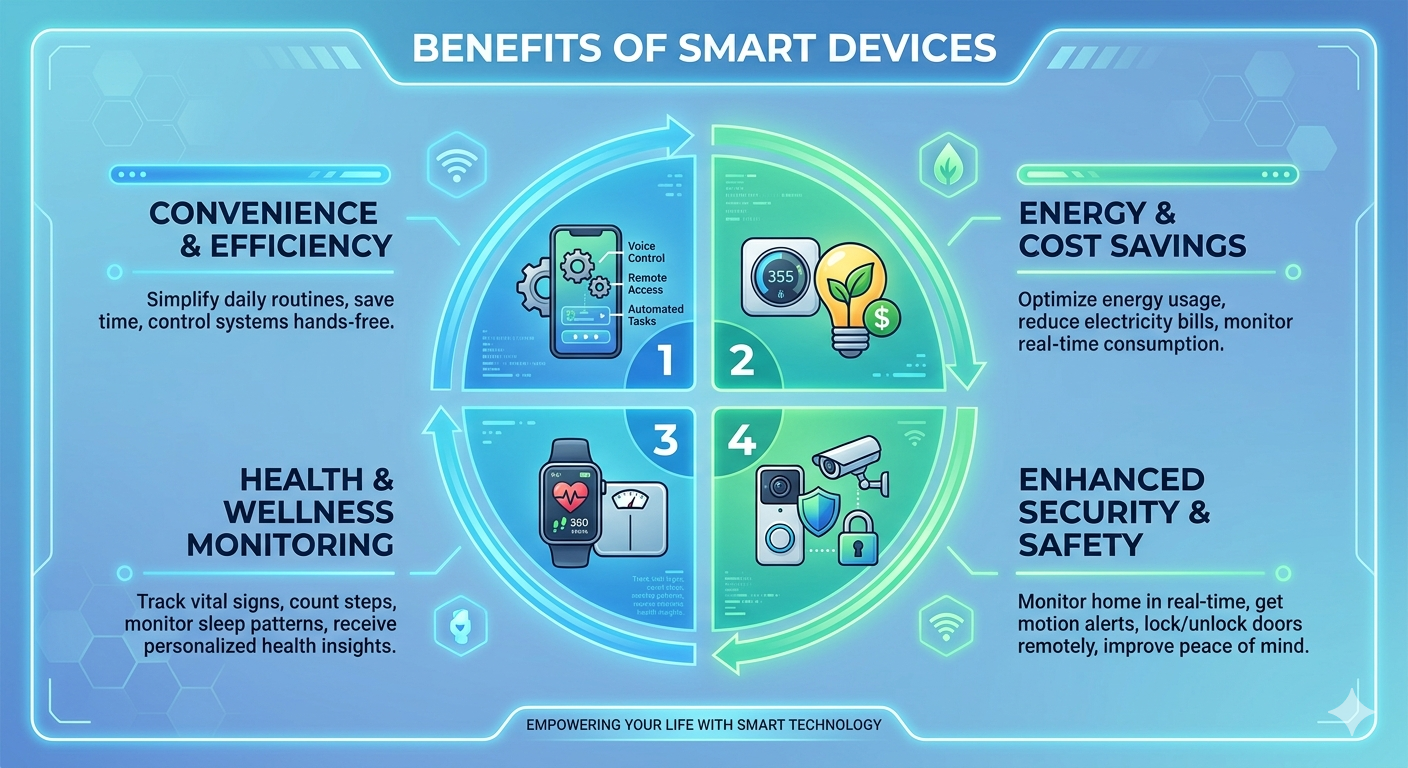
Benefits of Smart Home Device
Smart home devices offer a variety of advantages:
- Convenience
Users can control appliances from any location via smart phones, or with voice commands. - Cost Savings
Smart thermostats that are automated and smart lighting can reduce energy consumption. - Improved Security
Alarms and smart cameras ensure constant monitoring. - Personalization
Devices can be able to learn preferences of users and automatically adjust settings. - Remote Access
If you’re in the office or out on a trip the devices are always at hand.
Advantages of Smart Device
Smart devices can provide a wide variety of tangible benefits:
Efficiency and Time-Saving
Smart devices usually accomplish tasks more quickly and efficient as compared to manual processes. For instance, a coffee maker is able to brew coffee according to a set time, without the need for any manual input.
Enhanced User Experience
Automated systems can eliminate routine tasks. Temperature, lights and appliances be responsive to voice command or pre-set routines, making your life simpler.
Data Insights and Analytics
Smart devices record user information that can be analysed to enhance performance, security and personalization. For instance health trackers can provide important information to help improve your lifestyle.
Cost Reduction
By optimizing energy usage and eliminating energy consumption, smart devices can aid users in reducing their costs for energy.
Safety and Security
Sensors and smart detectors improve security. They include fire detectors flood sensors, as well as security cameras that inform users immediately when there is an abnormality.
Challenges and Limitations
Despite the many advantages Smart devices face a few problems:
Security and Privacy Issues
Smart devices store sensitive information and are susceptible to cyber-attacks if they are not properly secured. Manufacturers should use robust encryption and secure software updates.
Compatibility Problems
Different brands of devices may not operate seamlessly. Interoperability between devices is a constant issue.
Dependence on Internet Connectivity
Smart devices require stable internet connections. If connectivity is not available it can cause automation to not function correctly or fail.
Initial Cost
While smart devices can save money in the over the long term, initial costs for purchase may be higher than those of traditional gadgets.
Future Trends in Smart Device Technology
Smart devices are the future. looks promising and full of innovation.
Artificial Intelligence and Machine Learning
As AI grows Smart devices will be more intuitive. They will be able to learn about user behaviour and will make predictions that can increase efficiency.
Expanded Connectivity
Technology advancements like 5G and the latest wireless standards will facilitate greater speed and reliability in device communication.
Greater Integration Across Sectors
Smart devices are expanding beyond homes to include retail, transportation, agriculture as well as healthcare more deeply. For instance smart farming can increase yields of crops by using data from the environment.
Sustainability and Green Tech
Smart devices can help cut down on the amount of energy used by industries. More energy-efficient products help achieve sustainable development goals across the globe.
Conclusion
The advent of smart devices is changing our lives by making things easier, faster and more efficient. Smart home automation, from the smartest of homes, to health monitoring or industrial technology, the devices provide obvious advantages. As technology and connectivity continue to advance and improve, smart devices will grow increasingly intelligent, personal and integrated into everyday routines.
Learning how they operate as well as how these technologies can enhance efficiency and safety can help users make better decisions. In terms of energy savings, improved efficiency as well as enhanced security or increased technology the use of smart devices is changing our lives in significant ways.
Must Read: Textile: A Complete Guide to Development, Manufacturing, and Modern Uses