
Introduction to Graphic Design
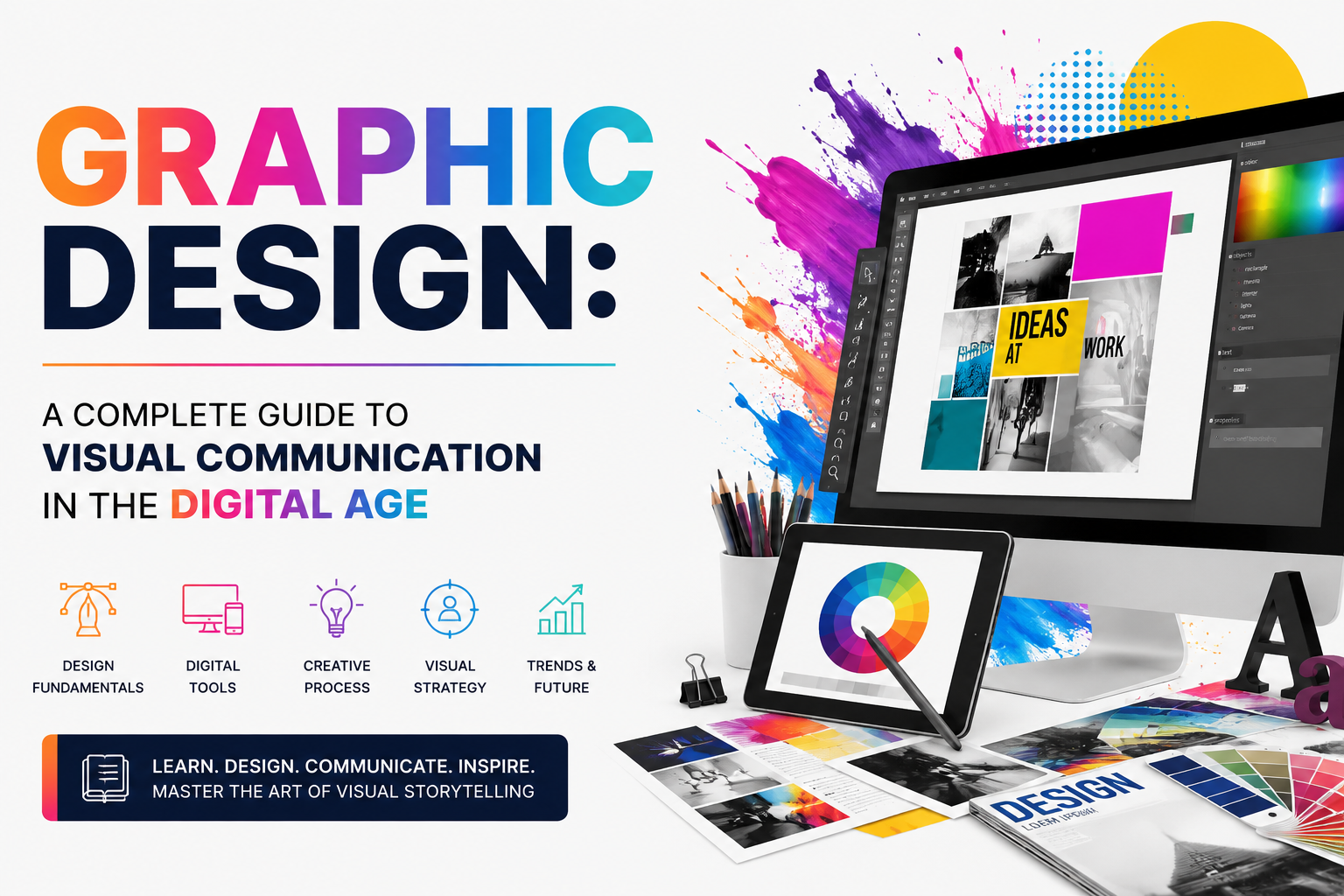
Graphic Design is one of the most effective tools of communicating in the present digital and printed environment. From logos and websites to ads or social media updates, graphic design influences how people see brand messages, branding, and concepts. It’s not just about being attractive, but also conveying an effective message through images.
In simplest terms, Digital design is the art of mixing images, text along with layout, patterns and colors to effectively convey information. Businesses, educators, marketers and even artists depend on Digital design to reach out to their clients effectively. As technology improves and technology develops in the future, the significance in Digital design is going to grow, making it a vital job and a skill.
This article will provide the concept behind Digital design and the significance and significance, as well as the various types of tools, basic job opportunities as well as the future for graphic design, in a straightforward and user-friendly method.
What Is Graphic Design
Graphic design is a creative technique that employs visual elements to communicate messages or concepts. Designers employ pictures, typography along with color and layout to create images that inform and convince the viewers.
Graphic design can be found in digital and physical formats. Examples include mobile apps, posters, packaging, branding materials magazines for packaging, as well advertising. Graphic designs that work convey the message clearly quickly, and visually.
The main goal in graphic design is solving issues. Designers do not just add visual appeal to content, they create information in a manner that makes it easy to understand and visually appealing while at the same time.
Why Digital design Is Important
Digital design plays an essential role in modern-day communication. Here are some of the reasons why Digital design is vital:
Builds Brand Identity
A well-designed Digital design can help businesses develop a distinctive and consistent look for their brand. Logos, colors and typography can all be combined to build an impression that is trustworthy and secure.
Improves Communication
Visuals can aid in conveying complex concepts more quickly than simply text. Visuals that have a great design can make the information more easy to understand and to retain.
Increases Engagement
People naturally seek out visual content. The design that is high-quality retains viewers’ attention and draws viewers to engage through the material.
Supports Marketing and Sales
Graphic design can help promote the products and services in a way that is efficient. The visual appeal of a design can influence buying decisions and improve conversion rates.
Types of Graphic Design
Graphic design encompasses a wide field with many specializations. Each type has its own distinct purpose.
Visual Identity Design
It is focused on branding elements such as logos and typography, colors palettes and also guidelines for branding. It’s the way that the image of a brand appears and feels.
Marketing and Advertising Design
This could be posters and flyers graphics, banners for emails, social media and also digital advertisements that are created to advertise product or service.
UI and Web Design
Its Users Interface (UI) Layout is designed to be used for websites and apps. Designers create layouts with buttons, navigation and other elements that enhance users’ experience.
Print Design
Graphic design print is printed on magazines, brochures, and books and business cards, as well as packaging and other items.
Motion Graphic Design
They include animated images used in ads, videos and in presentations.
Core Principles of Graphic Design
Every successful design follows basic principles. Understanding these fundamentals can increase productivity and innovation.
Balance
Balance ensures that the visual elements are evenly distributed. It can be symmetrical or an Asymmetrical.
Contrast
Contrast emphasizes the differences between elements, like lighter and dark colors or big and small text and makes designs more easily accessible.
Alignment
Alignment organizes content and gives an elegant, professional look.
Hierarchy
Hierarchy helps to direct the eyes by highlighting the most significant information.
Consistency
Consistency helps maintain a unified look across all design materials.
Tools Used in Graphic Design
Graphic designers use a range of tools, based on their requirements and degree of knowledge. The most commonly utilized tools are:
Adobe Photoshop for image editing
Adobe Illustrator for vector graphics
Adobe InDesign for layouts and printing designs
Figma and Sketch are utilized for UI Web design
Canva is an easy and beginner-friendly way to create designs
Utilizing these tools can allow designers to become more efficient and professional.
Graphic Design as a Career
Graphic design offers a broad range of possibilities to grow professionally. Designers may work as freelancers, within companies, or teams within the in-house.
Popular Graphic Design Roles
Graphic Designer
Brand Designer
UI/UX Designer
Motion Designer
Art Director
The demand for graphic designers with the right skills is growing due to the growth of digital marketing, social media and online businesses. With many years of experience and a dazzling portfolio, graphic designers are able to make a steady and dependable income.
Learning Graphic Design
Anyone can learn graphic design with a little time and dedication. There is no requirement for a college degree to start, but understanding the basics of design is crucial.
Steps to Learn Graphic Design
- Learn basic design principles
- Make use of the theory of color and typography to get your hands dirty
- Master essential design tools
- Study real-world design examples
- Build a portfolio that is robust
Tutorials, online courses and hands-on projects can make learning simple for students who are just starting out.
Graphic Design and SEO
Graphic design also plays crucial in improving search results. Graphics that are designed well increase the user’s experience, which could aid in reducing bounce rates as well as increase duration of time spent on websites.
SEO-friendly graphic design could be:
Image sizes optimized to achieve maximum resolution
Correctly using alt text
Clear visual hierarchy
Mobile-friendly layouts
When Digital design and SEO blend, websites perform better when it comes to results from search results.
Future of Graphic Design
The future of graphic design is tied to the development of technology. Technologies such as Artificial Intelligence, Augmented Reality and 3D design are changing the industry.
Designers who are able adjust to the latest technology and trends will have more opportunities. Ability to think in a creative manner and think through problems with an eye for user are essential regardless of how tools are created.
Conclusion
Digital design is more than just visual design. It’s an effective method of communication that influences how people see and interact with information. From branding and marketing as websites and designs to the user experience, Digital design is an integral part in almost every field.
Understanding the basic principles of design and the appropriate tools, and ensuring that you speak clearly, anyone can profit from the art of Digital design either as a career or as a craft. As the realm of digital grows, the importance in Digital design is likely to grow.
If used correctly, Digital design can help transform ideas into powerful visual messages that captivate people and leave an impression.
Must Read: Woman Clothing Brands: A Complete Guide to Style, Quality, and Trends