
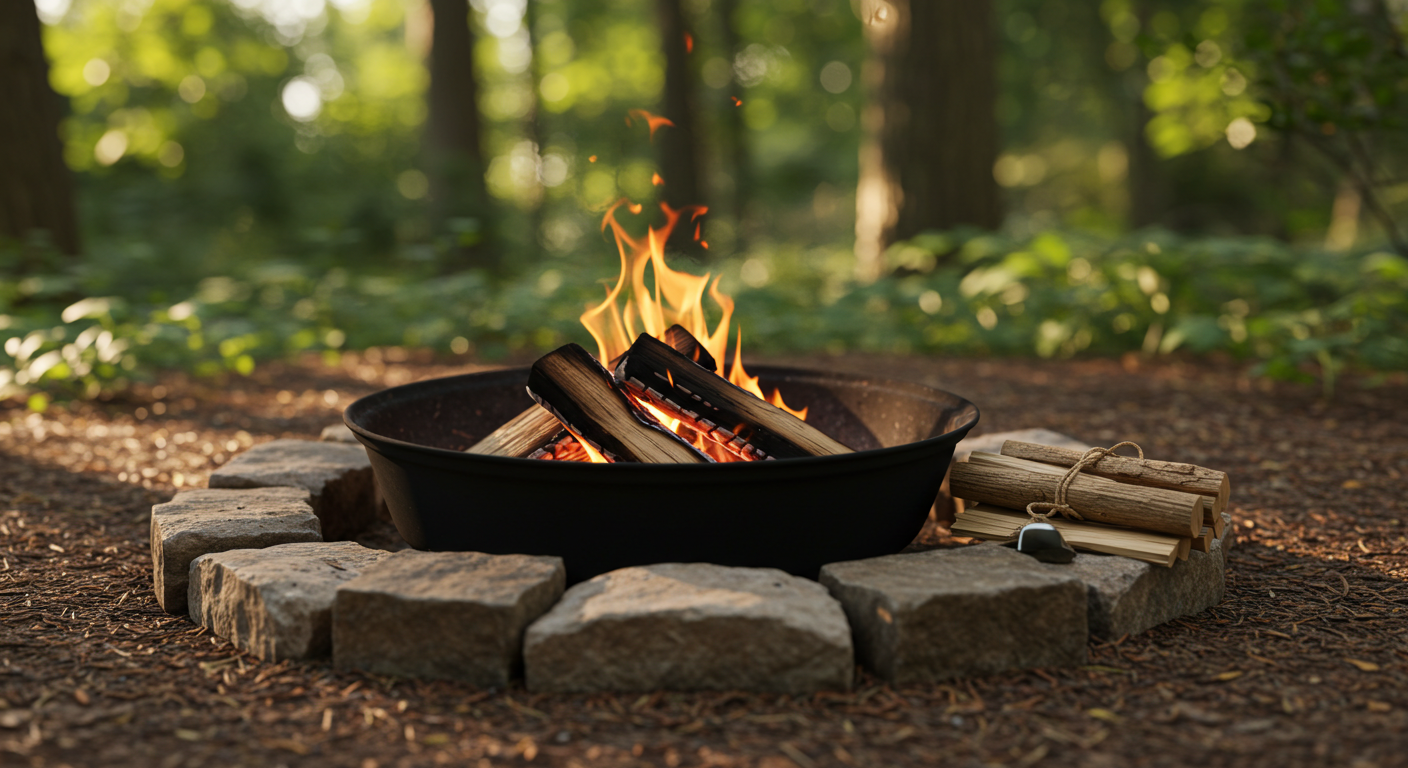
A well-built campfire is a cornerstone of many outdoor experiences, offering warmth, light, and a focal point for gathering. However, the ability to build a campfire responsibly and effectively is a skill that requires knowledge and practice. This guide provides detailed instructions on how to build a campfire, emphasizing safety, thorough preparation, and the precise steps involved in creating a successful and safe fire that enhances your time outdoors while protecting natural environments.
Preparation is Key: Essential Steps Before Lighting Your Campfire
Before any flame is introduced, careful preparation is paramount. Adhering to proper campfire preparation and campfire safety tips ensures a controlled burn and minimizes environmental impact.
Understanding Local Regulations and Fire Bans
The first step in responsible campfire building involves understanding the rules of your chosen location. Always check local fire regulations, permit requirements, and current fire bans. This information is typically available from park ranger offices, campground hosts, or local government websites. Ignoring these regulations can lead to fines, environmental damage, and dangerous situations.
Selecting the Right Campfire Location
Choosing an appropriate site is critical for building a safe campfire spot. Ideally, use an established fire ring if one is available. If not, select a level area clear of overhanging branches and dry vegetation. Ensure the location is at least 15 feet (approximately 4.5 meters) away from tents, vehicles, trees, shrubs, and other flammable materials. Consider wind direction to prevent sparks from spreading. Keep a shovel and a water source (like a bucket of water or a hose) immediately accessible for emergencies. This careful selection is a fundamental aspect of overall campfire safety.
Gathering Your Materials: Tinder, Kindling, and Fuelwood
Successful fire ignition relies on having the right campfire materials ready before you strike a match. These materials are categorized by their role in the fire-starting process.
Tinder: The Ignition Starter
Tinder for campfire refers to very fine, dry material that catches a spark or small flame easily and burns quickly. Examples include dry grass, birch bark, cedar bark shavings, cotton balls (especially those soaked in petroleum jelly), dryer lint, or commercially available fire starters. Gather a generous amount, as you’ll need more than you think.
Kindling: Building the Initial Flame
Kindling for campfire consists of small sticks, typically pencil-sized or smaller in diameter. Its purpose is to transition the flame from the fast-burning tinder to larger pieces of wood. Dry twigs, small branches, or split pieces of larger wood work well. Ensure it is completely dry; damp kindling will only smolder.
Fuelwood: Sustaining the Fire
Fuelwood for campfire comprises larger pieces of wood that provide sustained heat and light once the fire is established. The best campfire wood is dry, seasoned hardwood like oak, maple, or ash, which burns hotter and longer with less smoke. Avoid green wood, which is difficult to burn and produces excessive smoke, and rotten wood, which burns too quickly and inefficiently. Collect wood no thicker than your forearm and ensure it is dead and down, not cut from living trees, unless otherwise permitted.
Mastering the Art of Campfire Construction
Once your materials are gathered, the next step is arranging them into a structure that promotes efficient burning. Different types of campfire lays offer distinct advantages.
The Teepee Fire Lay
The teepee fire lay is excellent for quick ignition. Start by placing a ball of tinder in the center. Lean small pieces of kindling around the tinder, forming a cone or teepee shape. Leave small gaps for airflow. As the kindling catches, gradually lean larger pieces of kindling and then small pieces of fuelwood against the teepee structure. This method allows the flame to rise and ignite the wood efficiently.
The Log Cabin Fire Lay
The log cabin fire lay provides a stable structure that burns longer and more consistently. Begin by placing your tinder and a small amount of kindling in the center. Around this, lay two small pieces of fuelwood parallel to each other. On top of these, lay two more pieces perpendicular, forming a square. Continue stacking progressively larger logs in this alternating pattern, creating a ‘cabin’ structure with the tinder and kindling in the middle. This method is ideal for a sustained fire once established.
The Lean-to Fire Lay
The lean-to fire lay is a simple and effective method, particularly useful in windy conditions. Place a larger piece of fuelwood or a small log on the ground. Position your tinder underneath this log. Lean kindling against the log, over the tinder, creating a small ‘lean-to’ shelter. This protects the initial flame from wind and directs heat upwards into the kindling. This is a straightforward and effective simple campfire build.
Lighting Your Campfire Safely and Effectively
With your fire lay constructed, it’s time for ignition. This stage requires careful attention to safety and technique to ensure a successful start.
Ignition Sources: Tools for Starting Your Fire
Always carry multiple reliable campfire ignition tools. Waterproof matches, a lighter, or a ferro rod with a striker are common choices. A good fire starter is essential, and having a backup is always prudent, especially in damp conditions.
The Lighting Process: From Spark to Flame
To learn how to light a campfire, begin by applying your ignition source directly to the tinder. Once the tinder catches fire, gently blow on the base of the flame. This provides oxygen, helping the flame grow and spread to the kindling. Continue to blow gently and consistently until the kindling is fully engulfed. Avoid blowing too hard, which can extinguish the nascent flame. This careful campfire lighting process is crucial for a strong start.
Maintaining and Managing Your Campfire
Once your fire is burning, proper management ensures it remains safe and efficient.
Adding Fuel Responsibly
When adding wood to campfire, start with smaller pieces and gradually introduce larger ones as the fire grows stronger. Avoid overloading the fire, which can smother it or cause it to become unmanageable. Place new pieces gently onto the existing coals and flames, ensuring good airflow. This responsible approach to campfire fuel management prevents excessive smoke and uncontrolled flames.
Controlling the Flame and Heat
To control the intensity and size of your fire, manage airflow and adjust the logs. Spreading out the logs slightly can increase airflow and heat, while pushing them closer together can reduce it. Use a long stick or a fire poker to safely manipulate logs. Never use your hands or feet. Understanding how to manage the controlling campfire flame and campfire heat management is vital for safety and enjoyment.
Extinguishing Your Campfire: Leave No Trace
Properly extinguishing a campfire is as important as building it. This critical step prevents wildfires and adheres to Leave No Trace principles, ensuring the site is safe for future visitors.
The ‘Drown, Stir, Drown’ Method
The most effective way to put out a campfire is the ‘drown, stir, drown’ method. Pour large amounts of water onto the fire, ensuring all embers and coals are thoroughly soaked. Use a shovel or stick to stir the ashes and remaining wood, exposing any hidden hot spots. Repeat the drowning and stirring process until no steam rises and the fire is completely out. This method is key to how to put out a campfire safely.
Ensuring Complete Extinction
After the ‘drown, stir, drown’ process, carefully feel the ashes and the ground beneath them with the back of your hand. If any warmth remains, continue to add water and stir. The fire is only truly out when everything is cool to the touch. This final check is essential for complete campfire extinction and confirms you’ve left a cold campfire, preventing any chance of rekindling.
Frequently Asked Questions About Building a Campfire
How long does it take to build a campfire?
The time it takes to build a campfire varies. With good preparation and dry materials, a basic fire can be built and lit in 10-20 minutes. However, gathering materials and ensuring a safe setup can add significant time. Factors like weather, skill level, and the availability of materials influence the overall campfire build time.
What is the best wood for a campfire?
The best wood for campfire is dry, seasoned hardwood such as oak, maple, hickory, or ash. These woods burn hotter, longer, and produce less smoke and sparks than softwoods like pine or fir. Always use dead and downed wood found on the ground, or purchase local firewood to prevent the spread of pests.
Can I use charcoal in a campfire?
While charcoal can be used for cooking over an open flame, it is generally not suitable for a traditional campfire experience. Charcoal briquettes are designed for consistent, low-heat cooking and do not produce the same flame, warmth, or ambiance as burning wood. If your primary goal is cooking, a dedicated charcoal grill or a small amount of charcoal within a fire ring can be effective, but it’s different from a wood-burning campfire.
What should I do if my campfire gets out of control?
If your campfire gets out of control, prioritize safety. If the fire is small and manageable, use your shovel and water to contain and extinguish it immediately. If the fire is spreading rapidly or becomes too large to control, evacuate the area, alert others, and contact emergency services (e.g., 911 in the U.S. or local emergency numbers) as quickly as possible. Knowing what to do in a campfire emergency is crucial.
Conclusion
Learning how to build a campfire is a rewarding skill that enhances any outdoor adventure. By prioritizing careful preparation, understanding various construction techniques, and mastering safe ignition and extinguishing methods, you can enjoy the warmth and camaraderie of a fire while upholding your responsibility to the environment. Always remember the importance of thorough preparation, adherence to campfire safety tips, and the principle of leaving no trace. This ensures that campfires remain a cherished part of outdoor recreation for everyone.