
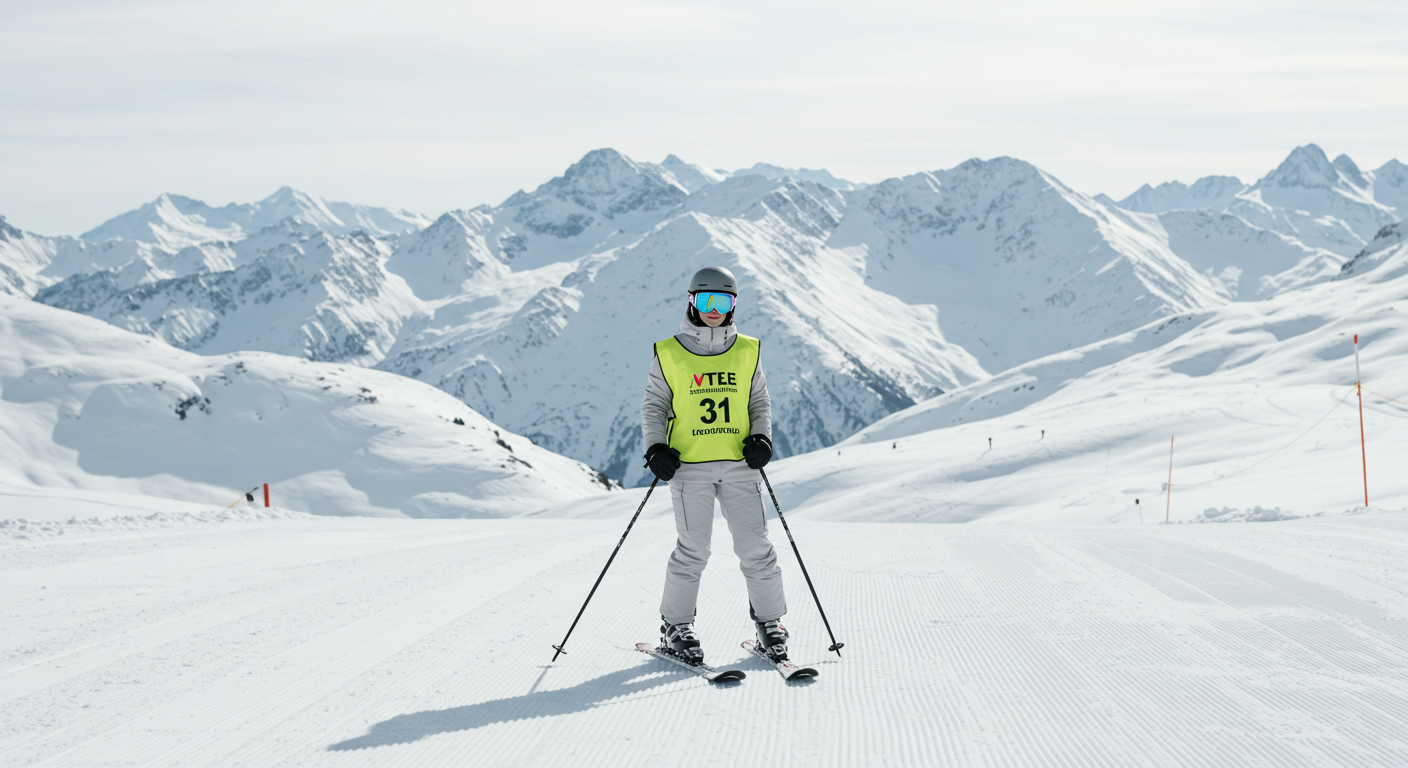
Embarking on the journey to learn how to ski offers an exhilarating experience, combining physical activity with the beauty of mountain environments. For many, the idea of gliding down snow-covered slopes seems daunting, but with the right preparation and instruction, skiing is an accessible and rewarding sport. This guide is designed to equip aspiring skiers with the foundational knowledge and practical advice needed to begin their skiing adventure safely and effectively, from selecting appropriate gear to mastering basic techniques.
Preparing for the Slopes: Your First Time Skiing Guide
A successful initial skiing experience begins long before you reach the mountain. Proper preparation ensures comfort, safety, and a more enjoyable learning curve. This section provides a comprehensive first time skiing guide to help you set the stage for a positive introduction to the sport.
What to Wear Skiing: Essential Layers and Gear
Choosing the correct attire is crucial for comfort and warmth on the slopes. The key principle for what to wear skiing is layering, which allows you to adjust to changing temperatures and activity levels. Consider the following:
- Base Layer: Worn directly against the skin, this layer should be made of moisture-wicking material (e.g., merino wool or synthetic fabrics) to keep you dry. Avoid cotton, as it retains moisture and can make you cold.
- Mid-Layer: Provides insulation. Fleece jackets or down vests are excellent choices. This layer traps warm air close to your body.
- Outer Layer (Shell): A waterproof and windproof jacket and pants are essential to protect against snow, wind, and moisture. Look for features like sealed seams and breathable membranes.
- Socks: Opt for specific ski socks made of wool or synthetic blends. They should be tall enough to extend above your ski boots and provide cushioning without being too thick, which can cause discomfort.
- Gloves or Mittens: Waterproof and insulated gloves or mittens are vital for keeping hands warm and dry. Mittens generally offer more warmth than gloves.
- Helmet: A helmet is highly recommended for safety, protecting against head injuries. Many rental shops include helmets with ski packages.
- Goggles: Protect your eyes from sun, wind, and snow. Look for goggles with UV protection and anti-fog features.
- Neck Gaiter or Balaclava: Provides additional warmth and protection for your face and neck on colder days.
Ensure all clothing fits well, allowing for a full range of motion without being bulky.
Ski Equipment for Beginners: What You Need to Know
Understanding ski equipment for beginners is fundamental to a safe and efficient learning process. While purchasing equipment can be a significant investment, renting is often the best option for your first few outings. Here’s a breakdown of the essential components:
- Skis: For beginners, shorter, softer, and more flexible skis are recommended. These are easier to turn and control at slower speeds. Rental shops will typically provide appropriate skis based on your height, weight, and ability.
- Ski Boots: Boots are arguably the most critical piece of equipment. They must fit snugly but comfortably, providing support to your ankles and feet. A proper fit ensures efficient transfer of energy to your skis. Do not compromise on boot comfort or fit.
- Bindings: These mechanisms connect your boots to your skis and are designed to release your boot in a fall, preventing injury. Bindings are adjusted based on your weight, height, age, and skiing ability (known as DIN settings). Always have bindings adjusted by a certified technician.
- Poles: Ski poles aid with balance, timing, and propulsion on flat terrain. For beginners, they are less critical for downhill skiing but can be helpful. The correct pole length allows your forearm to be parallel to the ground when holding the pole with the tip in the snow.
When renting, communicate clearly that you are a beginner so the staff can provide suitable, forgiving equipment.
Mastering the Fundamentals: Learning to Ski Basics
Once equipped, the next step is to familiarize yourself with the fundamental movements and techniques. This section focuses on learning to ski basics, building a solid foundation for progression.
Getting Started: Balance and Movement
Before attempting to slide, practice getting comfortable with your boots and skis on flat ground. Walk around in your boots to get a feel for them. Once your skis are on, practice shuffling forward and backward, and side-stepping up a gentle incline. The most crucial initial skill for learning how to ski is finding your balance. Stand with your feet hip-width apart, knees slightly bent, and shins pressed against the front of your boots. Keep your weight centered over the middle of your skis. To control speed and initiate turns, beginners are taught the ‘pizza’ or ‘snowplow’ stance, where the tips of your skis are brought together, and the tails are pushed apart, forming a wedge. This creates friction with the snow, allowing for speed regulation.
How to Stop on Skis: The Snowplow Technique
Learning how to stop on skis is paramount for safety and confidence. The snowplow stop is the first and most important stopping technique for beginners:
- Start in a Snowplow Stance: Begin by forming the ‘pizza’ or wedge shape with your skis, tips close together, tails wide apart.
- Apply Pressure: Gently push your heels outwards, increasing the angle of your skis’ edges into the snow.
- Distribute Weight: Keep your weight evenly distributed over both skis, with your knees bent and shins pressed forward.
- Increase Wedge: To stop more quickly, widen your wedge and apply more pressure to the inside edges of your skis.
- Maintain Posture: Keep your upper body relaxed and facing downhill, with your arms slightly forward for balance.
Practice this repeatedly on a very gentle slope until you can consistently and reliably come to a complete stop.
How to Turn on Skis: Gaining Control and Direction
Once you can stop, the next step is to learn how to turn on skis, which allows you to control your direction and manage speed. The snowplow turn is the entry point:
- Start in a Gentle Snowplow: Begin gliding in a snowplow stance on a gentle slope.
- Initiate the Turn: To turn left, gently put more weight on your right ski. To turn right, put more weight on your left ski.
- Steer with Your Feet: As you shift weight, subtly steer your weighted ski in the direction you want to go, allowing the other ski to follow.
- Look Where You Want to Go: Your body tends to follow your gaze, so look in the direction of your turn.
- Complete the Turn: Continue the weight shift and steering until you are facing across the slope, then ease off the pressure to glide straight or initiate a turn in the opposite direction.
Practice making wide, sweeping turns, focusing on smooth weight transfers rather than abrupt movements.
Progressing Your Skills: Beginner Ski Tips and Beyond
With the basics under your belt, these additional beginner ski tips will help you continue to improve and enjoy your time on the mountain.
The Value of Ski Lessons for Adults
While self-teaching might seem appealing, investing in ski lessons for adults is highly recommended. Professional instructors provide personalized feedback, correct bad habits before they become ingrained, and teach techniques in a structured, safe environment. Lessons can significantly accelerate your learning curve, build confidence, and introduce you to proper form from the outset, making the entire experience more enjoyable and less frustrating.
Prioritizing Ski Safety Tips on the Mountain
Safety should always be your top priority. Adhering to fundamental ski safety tips ensures a positive experience for everyone:
- Know Your Limits: Ski on trails appropriate for your skill level. Green circles indicate beginner trails.
- Stay in Control: Always be able to stop or avoid other people or objects.
- Yield to Others: Skiers ahead of you have the right of way.
- Observe Signs and Warnings: Pay attention to trail markers, closed area signs, and other warnings.
- Use the Skier’s Responsibility Code: Familiarize yourself with the seven points of this code, which outlines safe conduct on the slopes.
- Never Ski Alone: Especially when learning, ski with a buddy or in a group.
Finding Easy Ski Resorts for Beginners
Choosing the right resort can greatly impact your learning experience. When looking for easy ski resorts for beginners, consider these characteristics:
- Dedicated Learning Areas: Many resorts offer separate, gentle slopes specifically for beginners, often with magic carpets or slow-moving chairlifts.
- Gentle Terrain: Look for resorts with a high percentage of green (beginner) trails that are wide and consistently sloped.
- Quality Ski School: A reputable ski school with experienced instructors is invaluable.
- Rental Facilities: On-site rental shops with knowledgeable staff make gearing up convenient.
- Accessible Lifts: Beginner-friendly lifts, such as slow chairlifts or surface lifts, are less intimidating.
Researching resort trail maps and ski school offerings beforehand can help you identify the best fit for your first ski trip.
Frequently Asked Questions About Learning How to Ski
Here are answers to common questions about learning how to ski and general beginner ski tips:
How long does it take to learn to ski?
The time it takes to learn to ski varies greatly among individuals. Most beginners can learn to stop and make basic turns on gentle slopes within a day or two of lessons. Consistent practice and additional lessons will lead to more advanced skills over several trips.
Is skiing difficult for beginners?
Skiing presents a learning curve, but it is not inherently difficult. The initial challenge lies in adapting to the equipment and developing balance. With proper instruction and patience, beginners can quickly gain confidence and control.
What if I fall a lot?
Falling is a natural and expected part of learning to ski. It’s how you learn your limits and improve your balance. Modern ski equipment is designed to minimize injury during falls. Focus on learning how to fall safely (e.g., falling to the side) and getting back up efficiently.
Can I teach myself how to ski?
While it’s technically possible to teach yourself, it is strongly discouraged. Self-teaching can lead to developing bad habits, frustration, and a higher risk of injury. Professional instruction provides a structured, safe, and efficient path to learning.
Conclusion
Learning how to ski is a rewarding endeavor that opens up a world of winter adventure. By prioritizing proper preparation, understanding essential equipment, and mastering fundamental techniques like the snowplow stop and turn, beginners can build a strong foundation. Remember the value of professional instruction, adhere to **ski safety tips**, and choose beginner-friendly environments. Embrace the learning process, be patient with yourself, and most importantly, enjoy the unique thrill of gliding down the mountain.